
After a long hiatus, today I listened to an interesting podcast episode from one of my favorite commentators on the intersection of technology, work, psychology and sociology: Cal Newport.
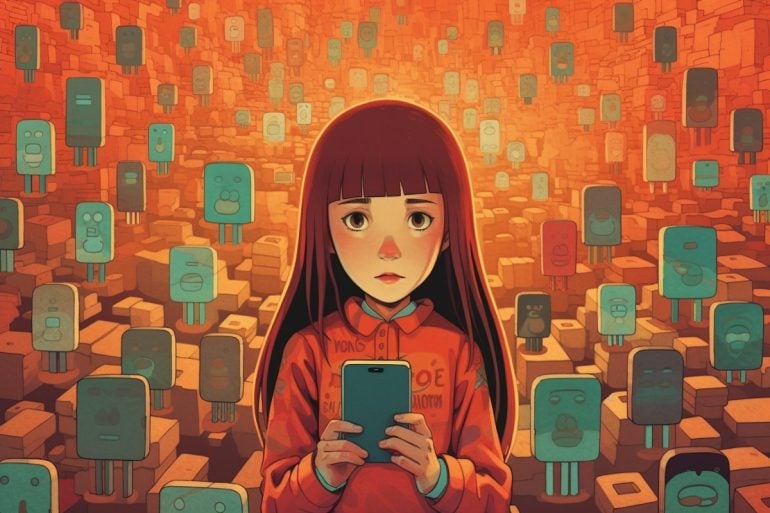
This episode was named “Screens and Solitude”, and in it he referenced an article from “The Atlantic” titled “The Anti-social Century” that had gone viral and that I had also recently read, which lamented the skyrocketing amount of time that Americans are spending alone.
Newport started out by drawing out the differences between loneliness and solitude, pointing out that for most people the discomfort of loneliness prompts them to become active and seek out the company of others. Then he explained that it is also possible to be in solitude but not lonely. However, an interesting point he made is that in this day and age of technology and social media, it is very easy to be in some sort of intangible, virtual contact with others, with relatively little trouble or effort.
He emphasized that in the past, before we had the technology we have now, it took real physical effort to connect with others. In exchange for this effort and time expended forming relationships with others we developed a sense of “neededness”, meaning that there is a group of people who need you and your efforts. He notes that this sense of “neededness” does not develop without the sacrifice and effort involved with physically meeting others, and that people seem to have a deep longing to have this feeling of neededness.
So, now we have an epidemic of people with virtual relationships and a distinct lack of the feeling of neededness, thanks to the advent of technology and social media and so on. But what I fixated on was the notion of neededness: Assuming again that this is a notion or sense that there are others out there who need you and your attention and effort (and vice-versa, presumably), I thought of another driving force behind our recent technology: For at least the past 200-300 years, we have been developing technology essentially for the purpose of supplementing or supplanting human effort. If the path our technology is on continues, is it not the case that we will reach a point where virtually everything everyone needs will be provided by technology, with almost no human effort required? If and when that time arrives, how will anyone develop that feeling of “neededness”? Without any feeling of “neededness” how will we and our societies function?